
Smart Renovation Tips for Restaurant Interior Design and Cafes 2026 in Singapore
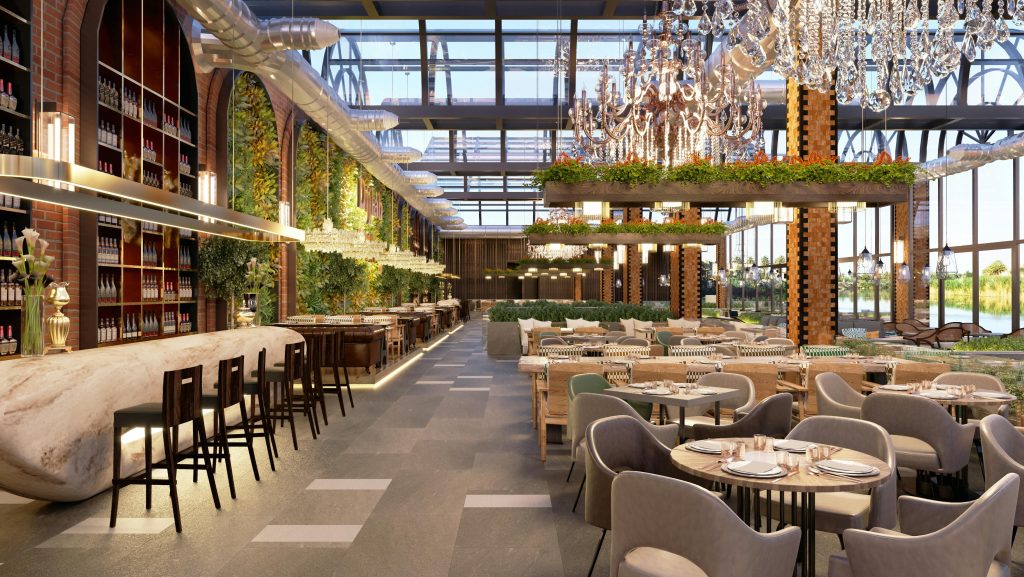
Singapore’s F&B industry continues to grow year after year, and in 2026, competition among cafes and restaurants is fiercer than ever. The rise of new businesses, high rental costs, limited space, increasing operational expenses, and growing customer expectations pose major challenges for business owners. Today, smart renovation is no longer just an option—it has become a business necessity. With the right renovation, restaurant owners can maximize limited space while creating interiors that are visually appealing and social media-friendly. Modern interior design combines functionality, aesthetics, and technology to attract customers and ensure business longevity. In this article, Zoro Interior will share practical renovation tips that help cafe and restaurant owners stay on top of current trends, improve operational efficiency, and provide unforgettable dining experiences—encouraging customers to return again and again.
Top Restaurant Interior Design Trends in Singapore for 2026
Must-Know Design Styles for Modern Cafes and Restaurants
Before deciding to renovate or upgrade your restaurant or cafe interior, it is important to understand the design trends that are currently popular in the Singapore market. Choosing the right design style not only enhances the visual appeal of your space but also creates a comfortable and memorable experience for customers. A well-planned design can attract visitors, increase social media engagement, and help your business stay competitive in an increasingly crowded market. Here are several interior design styles that can inspire your next restaurant renovation. :
- Industrial Chic
This design style highlights raw and unfinished elements such as exposed brick walls, open piping, and metal furniture. Industrial chic is widely used in modern restaurants and cafes in Singapore because it creates an urban and trendy atmosphere.
- Scandinavian Minimalism
This interior design style focuses on simplicity, neutral colors, and functional furniture. The Scandinavian style can make a space feel bright, spacious, and comfortable, making it highly suitable for restaurants and cafes that want to create a relaxed yet elegant atmosphere. - Tropical/Nature Inspired Design
With limited space in Singapore, designs that incorporate natural elements such as indoor plants, wooden materials, and natural green tones can create a fresh and calming atmosphere for customers. This style is also highly effective as a visual attraction on social media, helping to draw more attention to your cafe or restaurant. - Modern Contemporary
Modern contemporary style emphasizes clean lines, neutral colors, and a combination of modern materials such as glass, metal, and concrete. This design is flexible and easy to adapt to various restaurant concepts, from fine dining to casual dining
- Heritage & Peranakan Fusion Design
Some restaurants in Singapore combine modern design with local or Peranakan elements, creating a unique identity that sets them apart from competitors. For example, this style may include the use of traditional ceramic patterns paired with modern furniture or distinctive color accents inspired by local culture.
💡 Tips from Zoro Interior:
Choosing the right design style should align with your target customers and menu concept. It is also important to balance aesthetics and functionality, such as providing comfortable seating and efficient circulation paths. Pay attention to social media trends as well, since an Instagram-worthy interior can significantly boost your restaurant’s exposure.
You may also refer our related articles for futher for insight 6 Best Practices Restaurant Layout Renovation in Singapore
Color Schemes That Enhance Customer Experience
In restaurant interior design, choosing the right color scheme plays an important role in shaping the atmosphere and influencing customer behavior. The right colors not only enhance the visual appeal of a space but also improve comfort, encourage customers to stay longer, and strengthen brand identity, as supported by research on color psychology and how colors influence customer behavior. Strategic use of color can help create a more memorable dining experience and encourage customers to return. Here are several color strategies you can apply to your restaurant or cafe:
Warm and Earthy Tones for a Warm and Cozy Atmosphere
Colors such as brown, cream, terracotta, and beige are widely used in modern restaurants and cafes. This color scheme creates a warm and welcoming atmosphere, making customers feel more comfortable to stay longer. In addition, earthy tones are easy to combine with natural materials such as wood and stone.
- Neutral and minimalist colors for a modern and spacious impression
Neutral colors such as white, gray, and black are commonly used in modern restaurant design because they create a clean, elegant, and spacious look. This color scheme is ideal for restaurants and cafes in Singapore with limited space, as it helps make the area feel brighter and more open. In addition, neutral colors make it easier for business owners to refresh decorations without the need for major renovations. - Bold Accent Colors to Attract Attention and Create an Instagram-Worthy Look
The use of bold accent colors such as emerald green, navy blue, or mustard yellow can create a strong visual appeal. These accents are typically applied to specific areas, such as feature walls or cashier counters, to create eye-catching focal points. This color scheme is highly effective for creating Instagram-worthy interiors, which is essential for F&B businesses in Singapore that rely on social media promotion.
- Natural Green Palette for a Fresh and Calming Effect
Natural green colours are popular in modern cafes and restaurants because they create a fresh and calming atmosphere. This color is often paired with indoor plants and natural materials to bring a nature-inspired feel that helps customers feel more relaxed, especially in urban environments like Singapore. - Brand-Brand-Aligned Color Schemes to Strengthen Business Identity
In addition to following trends, restaurants and cafes should use colors that align with their brand identity. Consistent use of brand colors across interiors, signage, and packaging can improve brand recognition and make the business more memorable. Restaurants with strong visual identities also tend to stand out more in a competitive market.
💡 Tips from Zoro Interior:
Use a combination of no more than 2–3 main colors to keep the overall look harmonious and not overwhelming. In addition, consider the room’s lighting, as colors may appear differently under various types of lighting.
You may also refer our related articles for futher for insight Choosing a Restaurant Build Out Service Singapore
Infusing Local Culture into Your Interior Design
Infusing local cultural elements into interior design has become an increasingly popular trend in Singapore. Amid intense competition, restaurants and cafes need to establish a unique identity to stand out and be easily recognized by customers. Incorporating local cultural elements such as traditional ornaments or Southeast Asian materials can create an authentic atmosphere that sets your business apart from competitors. Beyond strengthening visual character, local cultural touches can also create more memorable experiences for customers, especially tourists who want to experience the distinctive charm of Singapore. For example, the use of Peranakan-patterned tiles, heritage-style decorative lighting, or color combinations inspired by local culture can create interiors that are both visually appealing and Instagram-worthy. This trend also aligns with the growing interest in designs that tell a story and reflect cultural value, rather than focusing solely on aesthetics.
Smart Planning for a Successful Restaurant Renovation
How to Set a Renovation Budget Without Overspending
In Singapore, renovation costs can rise quickly due to the high prices of materials, labor, and operational expenses. Therefore, restaurant owners need to plan their budgets carefully to ensure the renovation project runs smoothly without exceeding the allocated budget. You should start by setting renovation priorities based on the main needs of the business, such as improving space layout, upgrading kitchen areas, or refreshing the interior appearance to attract customers. By focusing the budget on areas that have a direct impact on operations and customer experience, you can avoid unnecessary expenses. It is also important to create a detailed cost estimate that covers all renovation components, including interior design, materials, permits, furniture, and unexpected additional costs.
💡 Tips from Zoro Interior:
It is recommended to allocate a contingency fund of around 10–20% of the total budget to anticipate design changes or increases in material costs during the renovation process.
You may also refer our related articles for futher for insight How to Choose a Commercial Renovation Contractor in Singapore
Step-by-Step Timeline for Smooth Renovation Projects
Creating a step-by-step timeline is an essential part of smart planning for a successful restaurant renovation. Without a clear timeline, renovation projects are at risk of delays, rising costs, and disruptions to business operations. With a structured schedule, restaurant owners can ensure that each stage of the renovation runs according to plan and is completed on time.
In general, here are the key stages in a restaurant renovation timeline to consider:
- Planning and Design Concept
Start by developing a concept with an experienced interior designer to define the theme, space layout, and renovation requirements that align with your business concept. - Permit Application and Document Preparation
Once the concept is approved, apply for the necessary permits and prepare all required documents. This stage is especially important in Singapore, where renovation projects must comply with building regulations and safety standards. - Construction and Installation
This stage includes civil works, electrical installations, furniture setup, and interior finishing. Good coordination between the contractor and business owner is essential to avoid errors or sudden changes that could delay the project. - Final Inspection and Opening Preparation
After all work is completed, conduct a thorough inspection to ensure all facilities function properly before reopening the restaurant.
With a clear and well-planned renovation timeline, restaurant owners can reduce the risk of delays, control project costs, and ensure the renovation runs smoothly according to the target schedule.
Choosing Professional Interior Designers in Singapore
Choosing a professional interior designer is an important step in planning a successful restaurant renovation. An experienced designer not only creates an attractive interior but also ensures that the layout remains functional and supports smooth daily operations. They understand how to maximize limited space, organize efficient circulation paths, and select materials that meet safety standards and business needs. In addition, professional designers in Singapore are familiar with local permit processes and regulations, which helps speed up project approvals and reduce the risk of delays. With proper planning and strong coordination between the designer, contractor, and business owner, the renovation process can run more efficiently, stay within budget, and result in a restaurant design that is attractive, functional, and competitive in Singapore’s fast-growing F&B market.
You may also refer our related articles for futher for insight Hire the Right Restaurant Renovation Contractor in Singapore
Maximize Space with Smart Layout Solutions
Seating Arrangement Tips for Comfort and Efficiency
Proper seating arrangement is one of the key strategies for restaurants or cafes with limited space. This approach helps maximize the use of restaurant space, allowing more customers to be accommodated without compromising comfort or smooth operations. You can apply several of the following seating arrangement tips:
- Use a Combination of Seating Types
You can combine small tables, long communal tables, and booth seating to accommodate different group sizes while maximizing the use of space. - Arrange Table Spacing Efficiently
Ensure there is enough space between tables for customer comfort and smooth staff movement, without making the area feel too cramped or empty. - Utilize Corners and Walls
You can install booth or bench seating along the walls to utilize areas that are often underused while creating a cleaner and more organized look.
- Prioritize Clear Circulation Paths
Make sure the main pathways for customers and staff remain wide and free of obstacles so service can run quickly and safely. - Use Flexible Furniture
Use tables or chairs that are easy to move or rearrange to accommodate changing needs during peak hours or special events.
You may also refer our related articles for futher for insight Renovating Small F&B Outlets in 2026: How to Fit Full Functionality Into <400 Sq Ft Units.
Designing Workflows That Boost Staff Productivity
Limited space and busy operating hours are major challenges in managing a restaurant or cafe in Singapore. An efficient workflow is essential to boost staff productivity and streamline business operations. A smart layout allows staff to work faster, reduce the risk of errors and fatigue, and provide the best possible service to customers. Here are some strategies for designing a clear workflow that you can implement in your restaurant:
- You can separate the kitchen, bar, and service areas so staff can move freely without getting in each other’s way.
- Ensure that the pathways between the kitchen, cashier, and customer tables are clear to speed up food and beverage service.
- Place kitchen equipment, storage racks, and service supplies in easily accessible areas to save staff time.
- Use counters or prep tables that can serve multiple functions, allowing staff to work more efficiently in limited space.
- Design the customer entrance, exit, and seating areas so they do not interfere with staff workflow.
By designing an efficient workflow, a restaurant not only boosts staff productivity but also ensures a smoother and more comfortable customer experience, which is crucial in Singapore’s highly competitive F&B market.
Multi-Functional Furniture Ideas for Small Cafes
Limited space is one of the main challenges for cafes and restaurants. This can be addressed by using multi-functional furniture, which not only saves space but also enhances flexibility and customer comfort.
Here are some multi-functional furniture ideas you can implement in your cafe or restaurant:
- Foldable or Sliding Tables
Tables that can be folded or slid allow the seating area to be expanded during peak hours and adjusted during quieter times. - Chairs or Benches with Storage
You can use chairs or benches that have storage space underneath to store equipment, menus, or other supplies. - Multi-Functional Communal Tables
Long tables that can be shared by multiple groups of customers help maximize capacity and create a social atmosphere. - Multi-Functional Shelves or Partitions
Shelves or partitions that also serve as space dividers can help separate areas without reducing seating capacity.
You may also refer our related articles for futher for insight F&B Renovation Case Study: Compact Cafe Design for Zus Coffee Sentosa by Zoro Interior
Lighting and Ambience Strategies That Attract Customers
How to Choose the Perfect Lighting for Every Zone
Lighting is a crucial element in creating an atmosphere that attracts customers while supporting restaurant operations. Choosing the right lighting can enhance the customer experience, highlight the interior design, and make the space feel more comfortable and Instagram-worthy—an essential factor in Singapore’s competitive F&B market.
You can apply these lighting strategies to each area of your restaurant:
- Customer Table Area
You can use warm and soft lighting to create an inviting atmosphere. Hanging lights above the tables can serve as focal points and enhance the room’s aesthetic. - Bar and Counter
In this area, use bright lighting or spotlights for the bar and cashier so staff can work efficiently and customers can easily see the menu or products. - Circulation Paths and Corridors
You can use sufficiently bright lighting to ensure main pathways are safe and easy to navigate without compromising customers’ visual comfort - Instagram-Worthy Area or Feature Wall
You can add accent lighting or decorative lamps to highlight interesting interior design elements, enhancing visual appeal and boosting social media promotion - Versatile Lighting
Choose lights with dimmers or adjustable brightness so the restaurant’s ambiance can be adapted according to operating hours or the type of event.
Designing the right lighting for each area of the restaurant can create a pleasant atmosphere, highlight the interior, attract more customers, and help staff work more efficiently.
Creating a Cozy and Inviting Atmosphere
The right lighting, combined with the proper interior design, can create a warm atmosphere that encourages customers to stay longer in your restaurant. You can create this ambiance by:
- Use warm-colored lighting in the seating areas to make the space feel more comfortable and intimate.
- Ensure the lighting is evenly distributed so that no area is too dark or too bright, maintaining visual comfort for customers.
- Use hanging lights above tables or decorative lamps in room corners to create focal points, enhance aesthetics, and give a cozy impression
- Install dimmers to adjust the light intensity according to operating hours or the desired ambiance, for example, brighter during the day and softer in the evening.
- Use general lighting to illuminate the entire space and accent lighting to highlight interesting design elements or decorative features.
By applying these strategies, a restaurant or cafe can create a warm, comfortable, and inviting atmosphere, encouraging customers to stay longer, enhancing their experience, and promoting repeat visits.
Sustainable Lighting Options for Eco-Friendly Restaurants
Eco-friendly lighting is becoming increasingly important for modern restaurants, not only to reduce energy consumption and operational costs but also to create a business image that values sustainability. Choosing the right lighting can still create a comfortable and appealing atmosphere for customers. You can apply these strategies in your cafe or restaurant:
- Use Energy-Efficient LED Lights – LED lights reduce electricity consumption, have a long lifespan, and still provide warm, comfortable lighting for customers.
- Install Motion Sensors and Timers – Use motion sensors or timers to control lighting in less frequently used areas, preventing energy waste while maintaining the desired atmosphere.
- Maximize Natural Lighting – Make the most of natural light from windows or skylights. Natural light enhances visual comfort for customers, makes the interior feel brighter and fresher, and reduces the need for artificial lighting.
Integrating Smart Technology in Cafes and Restaurants
Smart Ordering and Contactless Payment Systems
In the post-pandemic digital era, restaurants and cafes are increasingly leveraging technology to enhance operations and customer experience. One innovation that is part of smart renovations is implementing smart ordering and contactless payment systems. Using these solutions can reduce queues and waiting times while improving operational efficiency.
Digital Menu Boards and Interactive Customer Experiences
Digital menu boards and interactive customer experiences are key elements of smart renovations that not only enhance customer convenience but also impact restaurant interior design. Digital menu boards influence interior design by serving as focal points, creating a modern and interactive atmosphere, supporting customer flow and layout, and offering visual flexibility for branding. By integrating digital menu boards and interactive experiences, restaurant interiors become not only aesthetically appealing but also functional, improving the customer experience and supporting more efficient operations.
Eco-Friendly and Sustainable Renovation Tips
Choosing Sustainable Materials for a Modern Look
Using sustainable materials, such as certified wood, bamboo, recycled glass, or low-VOC paints, not only reduces environmental impact but also enhances the aesthetics of a restaurant’s interior. These materials create a modern yet natural ambiance that is comfortable for customers. In Singapore, where space is limited, choosing lightweight and eco-friendly materials also makes renovation and interior installation easier without compromising functionality or design quality.
Reducing Waste with Smart Interior Solutions
Smart interior solutions like modular furniture, multifunctional shelving, and efficient storage systems help restaurants maximize space usage and reduce waste. Instead of frequently replacing furniture or décor, restaurant owners can adapt interior elements as needed without discarding materials. This approach is not only environmentally friendly but also supports a flexible, organized, and functional interior layout in space-constrained restaurants or cafes in Singapore
Energy-Efficient Appliances and Systems for Restaurants
Using energy-efficient kitchen equipment, cooling systems, and lighting can lower electricity consumption while promoting sustainability. From an interior design perspective, energy-efficient appliances often come in modern, compact designs that save space and maintain a clean, professional look. Implementing these systems allows restaurants in Singapore to create a modern, comfortable, and eco-friendly environment while reducing long-term operational costs.
Maintaining Your Renovated Restaurant for Long-Term Success
Simple Maintenance Tips for Furniture and Fixtures
Regular maintenance of furniture and fixtures is essential to keep a restaurant’s interior looking fresh and functional. Routine cleaning, using surface protectors, and checking the condition of chairs, tables, and lighting can prevent early wear and damage. For space-constrained restaurants in Singapore, proper upkeep maintains interior aesthetics and ensures customer comfort without the need for frequent replacements or major renovations.
Refreshing Your Interior Without Major Disruption
Updating the interior without significant operational disruptions allows the restaurant to continue running smoothly while keeping the space fresh and appealing. This can be done by adding new décor, changing accent colors, or updating lighting elements. Such an approach helps restaurants in Singapore maintain a modern and attractive interior without closing the restaurant or impacting the customer experience.
Seasonal Updates to Keep Your Design Trendy
Seasonal updates help a restaurant stay fresh and aligned with current design trends. For example, changing décor, adding seasonal accent colors, or adopting festive themes can enhance visual appeal and improve customer experience. This strategy is particularly valuable for Singapore restaurants aiming to attract new customers and keep returning guests engaged, while ensuring the interior remains stylish and Instagram-worthy.
Conclusion
Smart renovation in restaurant and cafe interiors in Singapore goes beyond aesthetics—it’s about functionality, operational efficiency, and enhancing the customer experience. From selecting the right design style, optimizing layout and furniture, designing efficient staff workflows, to implementing proper lighting and smart technology—every element plays a role in creating a comfortable, appealing, and competitive restaurant. Sustainable and eco-friendly approaches are also increasingly important, helping reduce operational costs while building a business image that values environmental responsibility.
With careful planning and professional guidance, a restaurant renovation can elevate the customer experience, strengthen brand identity, and encourage repeat visits.
💡 Want to transform your restaurant or cafe into a modern, efficient, and Instagram-worthy space in Singapore?
Consult with Zoro Interior today and bring your vision of a functional and stunning interior to life.
FAQ – Smart Renovation Tips for Restaurant Interior Design and Cafes 2026
1. What are the top interior design trends for restaurants and cafes in Singapore in 2026?
The leading trends include Industrial Chic, Scandinavian Minimalism, Tropical/Nature-Inspired Design, Modern Contemporary, and Heritage & Peranakan Fusion Design. Each style combines aesthetics and functionality to enhance customer experience and social media appeal.
2. How do color schemes influence customer experience in restaurants?
Colors affect mood, comfort, and brand perception. Warm and earthy tones create a cozy feel, neutral colors give a spacious and modern look, bold accent colors attract attention for Instagram-worthy spaces, and natural green palettes provide a calming atmosphere. Aligning colors with your brand strengthens business identity.
3. How can I set a renovation budget for my restaurant without overspending?
Start by prioritizing essential renovations like space layout, kitchen upgrades, and interior refreshes. Prepare a detailed cost estimate covering design, materials, permits, and furniture. Allocate 10–20% contingency funds for unexpected expenses or design changes.
4. Why is professional interior design important for restaurant renovations in Singapore?
Professional designers optimize limited space, ensure functional layouts, and select materials that meet safety standards. They also understand local regulations, helping speed up permit approvals and ensuring projects stay within budget.
5. What are smart seating arrangement tips for small cafes and restaurants?
Use a combination of table types, arrange tables efficiently, utilize corners and walls, maintain clear circulation paths, and select flexible or multi-functional furniture. This maximizes seating while ensuring comfort and operational efficiency.
6. How can lighting improve my restaurant’s ambience and Instagram appeal?
Use warm and soft lighting for dining areas, bright spotlights for bars and counters, accent lights for feature walls, and versatile dimmable lighting for different hours or events. Proper lighting creates a cozy atmosphere and enhances social media shareability.
7. What smart technologies can enhance restaurant operations and customer experience?
Implement smart ordering systems, contactless payments, digital menu boards, and interactive displays. These improve operational efficiency, reduce wait times, and make interiors more modern and engaging.
8. How can restaurants make renovations eco-friendly and sustainable?
Use sustainable materials like bamboo or recycled glass, energy-efficient appliances, LED lighting, and modular or multifunctional furniture. These strategies reduce waste, lower operational costs, and create a modern, eco-conscious environment.
9. How do I maintain my restaurant interior for long-term success?
Regularly clean and inspect furniture and fixtures, refresh decor or accent colors without major disruptions, and adopt seasonal updates. Proper maintenance keeps the interior stylish, functional, and inviting for repeat customers.
10. How does a smart renovation improve customer retention and business success?
A well-planned renovation enhances functionality, aesthetics, and workflow efficiency. Combining optimal layouts, efficient staff operations, appealing lighting, and social-media-friendly design encourages customers to return, strengthens brand identity, and ensures long-term competitiveness in Singapore’s F&B market.
Your F&B Renovation Contractor:
- Quality workmanship without breaking the bank.
- Quick and hassle-free F&B renovation so you can focus on the important things while we work.
- Professional and personalised solutions for all your F&B renovation needs.
- Complete transparency from start to end - no hidden costs, no gimmicks.
Fill in this form now and get your free quote!