
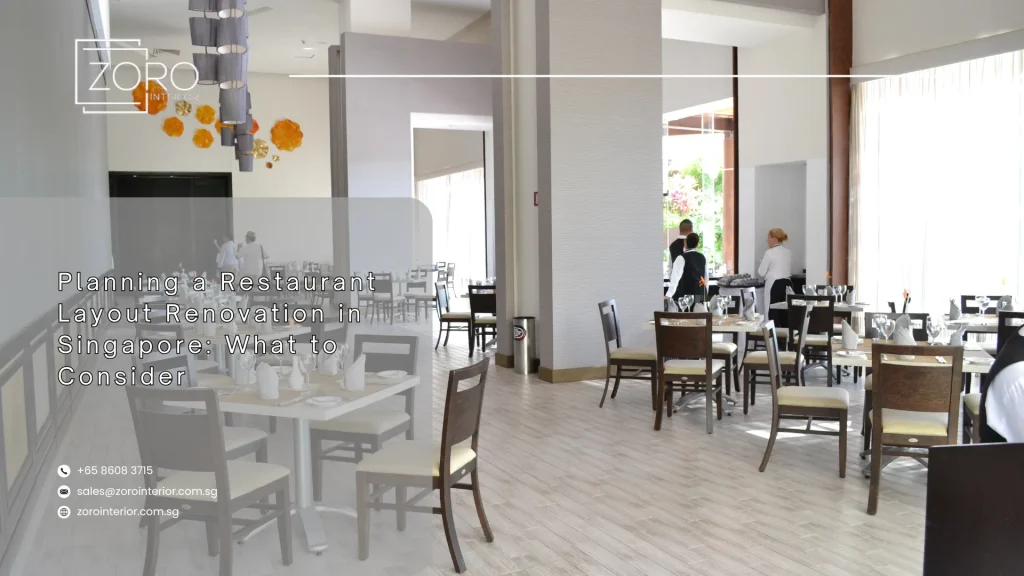
Renovating a restaurant in Singapore isn’t just about fresh paint. In a city where rent can outpace truffle oil and diners have endless options, every square meter has to pull its weight. Get it right and you’ll have a space that flows, attracts crowds, and keeps them coming back. Get it wrong and you’ll have bottlenecks, grumpy staff, and reviews that mention the food was “good, but the place felt chaotic.”
So, how do you create a space that works hard and looks good doing it? Let’s dive into the essentials of smart design.
1. Smart Zoning
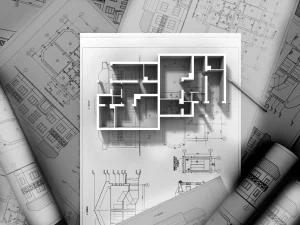
Globally, many operators aim for a 60:40 split favoring dining area, and in Singapore it’s common to push harder toward seating—while staying on the right side of the Singapore Food Agency (SFA) minimum 10 m² kitchen. Just don’t starve the back‑of‑house: too‑tiny kitchens tank efficiency.
Smart positioning helps: place the kitchen at the back or side, or go open‑kitchen to merge experience with function. Keep restrooms well away from food prep. If you’re adding a bar, consider placing it deeper in the space to draw guests through and energize the room.
2. Nail the flow

High‑footfall locations like malls and shophouses demand clear circulation. Keep aisles around ~1.2–1.5 m for two‑way traffic and avoid bottleneck at the entrance (skip the host stand jammed right behind the entrance).
Waiting areas matter, a small lounge or bar near the entrance keeps patrons comfortable and ups beverage sales without obsctuction in the doorway. With delivery apps in the mix, designate a pickup shelf or counter near the entrance so riders don’t weave through the dining room.
3. Respect the Rulebook

Singapore is rules‑first, and your layout has to play along: proper kitchen, proper indoor seating, and clear fire egress. That’s straight from the URA criteria for Restaurant & Bar. Kitchen design must include impervious, cleanable flooring, drainage, and effective ventilation with hoods, per the SFA self‑checklist.
Accessibility is also essential: ensure at least one barrier‑free route and wheelchair‑friendly tables. It’s not just regulation‑compliant; it’s good hospitality and smart business.
4. Singapore Crowd in Mind

Singaporeans are savvy diners with a soft spot for spaces that tell a story. A few moves that resonate locally:
- Instagrammable features: A neon quote wall, mural, or quirky prop gives guests a reason to post on their social media and it’s a free marketing.
- Communal seating: Food here is a shared experience. Long tables or modular setups allow for big groups while staying flexible for couples.
- Local touches: Peranakan tiles, rattan chairs, or greenery nodding to the “Garden City” ethos connect your brand to local culture without tipping into theme-park territory.
5. Amplifying Tech

Singapore diners are digital natives. From QR menus to self-order kiosks, technology is expected. Plan your layout with power points, discreet POS stations, and charging docks for tablets.
Queue screens or SMS systems beat a scrum at the host stand; in the kitchen, a wall-mounted display keeps tickets tight. Even lighting and climate can be app-controlled, it is efficient, modern, and just a little bit cool.
6. Elevate Customer Comfort

Atmosphere is everything. Lighting should be flexible: bright and natural for lunch, warm and moody for dinner. LEDs keep the bills down and the heat manageable. Noise control is crucial. Hard concrete and glass bounce sound like a bad karaoke echo. Acoustic panels, upholstered seating, or well-placed plants can soften the din.
Ventilation and air-con must be robust enough for the tropics. No guest wants to sweat through a meal or walk out smelling like satay smoke. Add ceiling fans for semi-outdoor areas, and keep paths shaded and slip-proof for rainy spells.
Wrap Up

Renovating your restaurant layout in Singapore is more than an aesthetic upgrade, it’s a balancing act between compliance, efficiency, and customer experience. Get zoning right, keep flow smooth, respect the regulations, cater to the local crowd, embrace tech, and never skimp on comfort. Do all that, and you won’t just attract customers but you’ll keep them coming back for seconds.