
Reinstatement Cost Singapore 2026: Full Guide to Pricing, Scope & Budget Planning
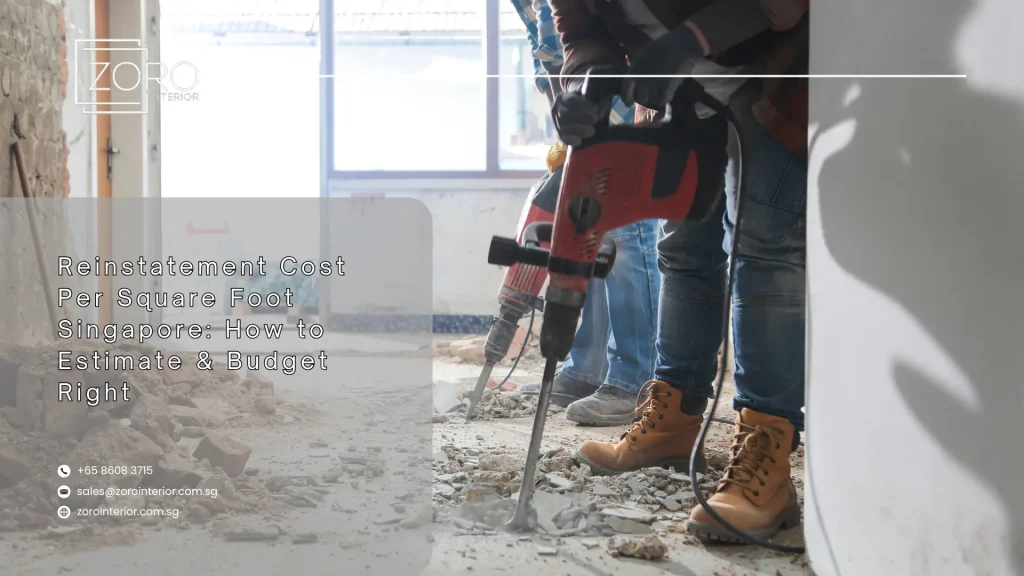
As part of a commercial lease agreement, reinstatement is a responsibility that tenants must fulfill before handing over the unit. Obtaining a reinstatement cost quotation from a contractor is not merely an administrative formality, but a strategic step to ensure proper budget control and a smooth project execution. A reliable quotation should clearly outline the scope of work, comply with building management standards, and provide transparent cost details to prevent unexpected expenses that could delay the project. In this article, Zoro Interior will provide a comprehensive guide to reinstatement costs in Singapore, the factors that influence pricing, the typical scope of reinstatement works, and practical tips on how to secure the best value quotation from contractors.
What Is a Reinstatement Cost Singapore?
Reinstatement cost refers to the expenses incurred to restore a property unit to its original condition, as it was when first handed over by the landlord to the tenant. In commercial lease agreements in Singapore, reinstatement is a mandatory obligation that tenants must fulfill before the lease expires or prior to the official handover of the unit. Generally, reinstatement costs include the dismantling of partitions, ceilings, and additional flooring, the removal of electrical and mechanical installations added during the tenancy, wall repairs, repainting, as well as disposal and other technical works required to meet building management standards.
Although they may sound similar, reinstatement and renovation are two different types of work. Reinstatement focuses on returning the unit to its original condition in accordance with the lease agreement, while renovation aims to upgrade or improve the unit for aesthetic purposes or business needs. In terms of obligation, reinstatement is mandatory as stipulated in the lease contract, whereas renovation is optional and carried out based on the owner’s or tenant’s requirements.
You may also refer to our related articles for further insights Reinstatement Cost in Singapore: Insurance Guide & Calculation
Why Reinstatement Cost in Singapore Can Vary Significantly?
Reinstatement costs in Singapore are not fixed, as they are influenced by various factors that differ from one unit to another. This is why you may often see a wide range of pricing, even for spaces with nearly the same size. Each project has its own characteristics, level of complexity, and building requirements, making the overall cost difficult to standardize.
In general, reinstatement costs are affected by the following factors:
- Type and complexity of work required
- Type of property unit
- Unit size
- Material and finishes used
- Building regulation and management requirements
- Project timeline and urgency
- Site conditions and logistics
You may also refer to our related articles for futher insights Reinstatement Services Singapore: Full Breakdown & How to Hire Right
How much does reinstatement cost in singapore?
Average reinstatement cost per square foot in singapore
Currently, reinstatement costs in Singapore are estimated to range between SGD 8–30 per square foot. This price range generally covers basic works such as dismantling partitions, repainting, and other standard removal and rectification works.However, for projects with higher complexity—such as those involving additional mechanical and electrical systems, specialized installations, or stricter building management requirements—the cost can reach SGD 20–30 per square foot or even higher, depending on the level of difficulty and overall scope of work involved.
Office reinstatement cost in singapore
In general, office reinstatement costs in Singapore range between SGD 8–12 per square foot. The actual cost may vary depending on the specific condition and requirements of each office space. Several key factors influence the total reinstatement cost, including the number of partitions and interior structures that need to be dismantled, as well as the removal of electrical, data, and mechanical installations. In addition, building management requirements, site accessibility, logistical constraints, project timeline, and the level of urgency also play an important role in determining the final cost. The more complex the work and the tighter the deadline, the higher the overall reinstatement cost is likely to be.
| Office Size | Estimated Reinstatement Cost (SGD) |
|---|---|
| 500 sqft | ± SGD 4,000 – 6,000 |
| 1000 sqft | ± SGD 8,000 – 12,000 |
| 2000 sqft | ± SGD 16,000 – 24,000 |
Retail reinstatement cost in singapore
Retail reinstatement costs in Singapore are generally higher than office spaces. This is because retail units typically include more interior elements such as fixtures, built-in displays, specialized lighting systems, and more complex layouts, making the dismantling process more detailed and labor-intensive. On average, retail reinstatement costs range between SGD 10–15 per square foot. This cost typically covers the dismantling of partitions and built-in displays, removal of lighting fixtures, audio systems or internal signage, hacking of additional flooring, repainting and wall repairs, as well as cleaning and disposal of debris after the work is completed.
| Retail Size | Estimated Reinstatement Cost (SGD/Sqft) | Estimated Total Cost (SGD) |
|---|---|---|
| 500 Sqft | SGD 10 – 15 / Sqft | SGD 5,000 – 7,500 |
| 1,000 Sqft | SGD 10 – 15 / Sqft | SGD 10,000 – 15,000 |
| 1,500 Sqft | SGD 10 – 15 / Sqft | SGD 15,000 – 22,500 |
| 2,000 Sqft | SGD 10 – 15 / Sqft | SGD 20,000 – 30,000 |
F&B reinstatement cost
F&B units generally have the highest reinstatement costs compared to other commercial units. This is because F&B spaces usually involve more extensive work, such as dismantling kitchen equipment, plumbing systems, ventilation and exhaust systems, as well as meeting stricter cleanliness and hygiene standards. In general, the estimated reinstatement cost for F&B units in Singapore ranges between SGD 15–30 per square foot, depending on the level of complexity and the scope of work required.
| F&B Unit Size | Estimated Reinstatement Cost (SGD/Sqft) | Estimated Total Cost (SGD) |
|---|---|---|
| 500 Sqft | SGD 15 – 30 / Sqft | SGD 7,500 – 15,000 |
| 1,000 Sqft | SGD 15 – 30 / Sqft | SGD 15,000 – 30,000 |
| 1,500 Sqft | SGD 15 – 30 / Sqft | SGD 22,500 – 45,000 |
| 2,000 Sqft | SGD 15 – 30 / Sqft | SGD 30,000 – 60,000 |
Notes: The costs mentioned above are general reinstatement cost estimates and may vary depending on the level of work complexity, the condition of the unit before reinstatement begins, and the building management requirements.
Detailed breakdown of reinstatement cost in singapore
Demolition & dismantling cost
Demolition and dismantling are key components of reinstatement services, especially for commercial units that have previously undergone interior fit-out works. This process includes removing various interior elements such as partitions, built-in furniture, raised flooring systems, ceiling structures, electrical wiring, lighting fixtures, and other components that are not part of the building’s main structure. The level of difficulty in demolition and dismantling work largely depends on the extent of interior modifications made during the tenancy period. The more custom installations or structural additions present in the unit, the more complex the dismantling process will be, requiring more time, labor, and technical handling.
Demolition and dismantling costs in Singapore may vary depending on the property type and the complexity of the removal works. For commercial units with relatively standard layouts, the cost of this work is usually already included in the overall reinstatement cost estimate.
Ceiling, flooring & partition removal cost
This work is an important part of the reinstatement process and involves dismantling additional ceiling structures, including ceiling frames, panels, integrated lighting fixtures, and other installations attached to non-structural ceiling systems. In addition, this work also includes the removal of raised flooring materials such as vinyl, carpet, laminate, or raised floor systems installed above the original floor surface. The cost of this work is generally influenced by the type of material used, the level of dismantling difficulty, and the condition of the unit before reinstatement begins. In most cases, ceiling, flooring, and partition removal costs are already included in the overall reinstatement cost estimate. However, the final cost may still depend on the scope of work, building regulations, and the complexity of the interior that needs to be restored.
M&E works cost
The scope of M&E works in reinstatement includes the removal of additional electrical wiring, dismantling of lighting panels, data communication systems, and small mechanical equipment that are not part of the building’s main structure. For F&B units, M&E works may also involve the removal of ventilation and exhaust systems in accordance with building hygiene and regulatory standards. M&E work costs in Singapore are highly influenced by the complexity of the previous installations, the number of electrical and data points that need to be removed, and the building management’s safety and access requirements. Units with more complex technical systems usually require specialized labor and longer working hours, which can lead to higher M&E costs.
Disposal & Cleaning Charges
Disposal and cleaning works include the transportation and disposal of leftover demolition materials such as partitions, ceilings, raised flooring, cables, and other unused interior components. This process must follow the building’s waste management regulations and safety standards. Disposal and cleaning charges usually cover construction waste transportation, landfill disposal fees, and labor costs for site cleaning after the dismantling work is completed. The cost depends on the volume and type of materials being disposed of, site accessibility, and building management requirements. In general, these charges are already included in the overall reinstatement cost estimate.
Permit & Compliance fees
Permit and compliance fees are costs required to fulfill work permit requirements and safety standards during the reinstatement process in Singapore. These fees usually cover work permit applications, building administration charges, use of common areas during the project, and safety protection measures such as floor protection and regulated working hours. The amount of these fees may vary depending on building policies, work complexity, and project duration. Units located in shopping malls or buildings with stricter security regulations generally tend to have higher permit and compliance costs.
What factors affect reinstatement cost singapore ?
Unit size and layout complexity
Unit size and layout complexity are important factors that influence reinstatement costs because they are directly related to the amount of work required. The larger the unit, the more area needs to be dismantled, cleaned, and restored to its original condition, which means more labor, time, and supporting materials are needed. In addition, units with complex layouts require more detailed and longer dismantling processes. Complicated layouts can also increase the level of difficulty, especially when some interior elements require special dismantling techniques to avoid damaging the building’s main structure.
Building requirements & management rules
Building requirements and management rules can affect reinstatement costs in Singapore because each commercial building has different construction policies. Some buildings impose specific rules regarding project working hours, public area protection, material transportation procedures, and on-site safety standards. If the building regulations are strict, contractors may need to carry out work outside normal operating hours, use additional protective measures, or go through longer permit approval processes, which can increase project costs. In addition, technical requirements are sometimes applied to ensure the reinstatement work does not damage the building structure or disturb other occupants. The stricter the building rules and requirements, the higher the potential reinstatement cost.
Urgency and handover timeline
Urgency and handover timeline affect reinstatement costs because they are directly related to the project completion time. If the tenant has a strict handover deadline, contractors may need to increase the number of workers, perform overtime work, or arrange a more intensive work schedule to ensure the project is completed on time. Reinstatement projects with very tight deadlines usually require additional resources and more complex coordination, which can increase project operational costs since labor and equipment must be prioritized to accelerate project completion.
Type of previous fit out
The type of previous interior fit-out can affect the level of reinstatement work required for each commercial unit. During the tenancy period, units may have different interior designs, ranging from simple layouts to more complex custom installations. Units that contain many built-in furniture pieces, raised flooring systems, special lighting setups, or additional technical installations will require more detailed dismantling processes and longer working time. In contrast, units with simpler fit-out designs usually require less dismantling work, resulting in lower reinstatement costs.
How to compare reinstatement cost quotes in singapore
Identifying hidden costs
When receiving a reinstatement quotation, it is important to check whether there are any additional costs that may not be included in the initial proposal. Some hidden costs that may appear include additional disposal charges, minor repair works, building permit fees, as well as overtime or out-of-hours work costs. Understanding the quotation details thoroughly will help you avoid unexpected cost increases during the project and keep your reinstatement budget under control.
Comparing cost per square foot
One effective way to choose reinstatement services is by comparing the price per square foot, as this helps make it easier to identify contractors offering more competitive pricing. However, make sure that the cost calculation includes the full scope of work so that the quotation reflects the actual total project cost.
Evaluating contractor experience
Experience and track record are also important factors when choosing reinstatement services. Contractors with experience handling commercial reinstatement projects usually have a better understanding of building requirements, permit procedures, and applicable safety standards.
How to reduce and negotiate reinstatement cost in singapore ?
When to request multi quotations
Requesting multiple reinstatement quotations is highly recommended so you can compare prices, scope of work, and service quality from different contractors. Ideally, you should start looking for quotations about one month before the lease ends to allow sufficient time for price negotiation. Obtaining more than one quotation also helps you understand the market range of reinstatement costs, allowing you to avoid prices that are too high or unrealistic.
Questions to ask before signing
Before choosing a contractor, it is important to ask several key questions, such as whether the quotation already covers the full scope of work, whether there may be any additional costs during the project, and what the estimated project completion time is. Asking these questions will help you better understand the project details and reduce the risk of misunderstandings in the future.
Red Flags to Avoid
Some signs that should be watched when choosing reinstatement services include quotation prices that are significantly lower than the market rate, unclear work breakdowns, and contractors who do not provide complete information about the scope of work. In addition, you should be careful when selecting a contractor. Make sure the contractor has relevant experience, is willing to conduct a site visit, and can explain potential costs clearly and transparently.
Hidden Reinstatement Costs Singapore Tenants Should Know
In reinstatement projects in Singapore, many tenants often focus only on the main dismantling works without realizing that various additional costs can arise during the process. These costs are usually not visible in the initial estimate, but they can have a significant impact on the overall budget if they are not properly planned. Some examples of hidden costs that frequently appear during reinstatement include disposal and material transportation fees, ceiling and lighting reinstatement costs, as well as Mechanical & Electrical (M&E) removal costs. Understanding the potential for additional expenses from the beginning is essential to help tenants avoid project delays and conflicts with landlords. To minimize these risks, tenants can work with professional contractors such as Zoro Interior, who have experience in managing reinstatement projects with proper planning and transparent cost management.
You may also refer to our related articles for futher insights Hidden Reinstatement Costs in Singapore: What Every Tenant Must Know Before Project Starts
Ng Teng Fong Hospital Reinstatement: Meeting Strict Hospital Compliance Requirements

We successfully completed a reinstatement project at Ng Teng Fong General Hospital, meeting strict hospital compliance and operational requirements. The project was carefully planned to ensure all works were carried out without disrupting hospital operations. With experience handling high-standard environments, Zoro Interior is ready to support companies requiring professional reinstatement services in Singapore. You can also visit our reinstatement services page to learn more about our scope of work and solutions. As part of the project, we carefully selected and matched floor tiles to ensure consistency with the existing corridor finishes. All materials were submitted to hospital management for approval before work commenced, ensuring compliance with quality and design standards.
We also implemented strict environmental control measures, including risk assessment (RA), dust containment, infection and contamination control, and controlled working hours to minimise disruption. In addition, full four-sided hoarding was installed to isolate the work area, maintain safety, and ensure a clean hospital environment throughout the project. Despite the tight timeline, the project was completed using a fast-track approach while adhering to all hospital regulations and safety standards. Our team also assisted with additional coordination works, including the reinstatement and return of the SP water meter to SP Group to ensure full compliance with utility requirements.The project was delivered efficiently, safely, and in full compliance with hospital standards, ensuring operational readiness upon completion.
You can view our other completed projects by visiting our portfolio page and contact Zoro Interior today for a free consultation and reinstatement solution tailored to your business needs.
Common mistakes that increase reinstatement cost
Some mistakes in reinstatement planning and execution can lead to unnecessary increases in project costs. One common mistake is not clearly understanding the scope of work stated in the quotation. If the work breakdown is not detailed, there is a risk of additional costs appearing during the project execution. In addition, delaying the search for a reinstatement contractor until the handover deadline is near may force tenants to choose a contractor in a hurry. This situation can lead to higher prices or services that may not fully meet the project requirements.
You may also refer to our related articles for further insights 7 Common Mistakes in Commercial Reinstatement Services in Singapore
Conclusion
Reinstatement is an essential obligation in commercial lease agreements in Singapore, and proper planning is crucial to ensure a smooth handover process. Understanding the cost structure, scope of work, and factors that influence pricing can help tenants manage their reinstatement budget more effectively and avoid unexpected expenses. Comparing multiple quotations, checking for hidden costs, evaluating contractor experience, and paying attention to building management requirements are important steps in selecting the right reinstatement service. In addition, starting the quotation process early and clearly understanding the project scope can help reduce financial risks and project delays.
Ultimately, choosing a professional and transparent contractor is key to ensuring reinstatement work is completed efficiently, safely, and in accordance with building regulations. By applying the tips and information in this guide, businesses can better prepare for lease termination and secure the best value reinstatement service.
If you are looking for a reliable partner to handle your reinstatement project, Zoro Interior is ready to assist. With extensive experience in commercial and industrial reinstatement works across Singapore, our team provides clear cost breakdowns, structured project management, and timely completion to help you avoid penalties and unnecessary delays. Contact Zoro Interior today for a consultation and receive a transparent quotation tailored to your project requirements.
FAQ
What is reinstatement cost in Singapore?
Reinstatement cost in Singapore refers to the expense required to restore a commercial property to its original handover condition as stated in the lease agreement. This typically includes dismantling partitions, removing additional electrical works, restoring flooring and ceiling, repainting walls, and disposing of debris. Reinstatement is mandatory before lease expiry for most commercial offices, retail units, and F&B spaces in Singapore.
How much does office reinstatement cost in Singapore?
Office reinstatement cost in Singapore usually ranges between SGD 8–12 per square foot. A 1000 sqft office typically costs between SGD 8,000–12,000 depending on layout complexity and building requirements.
Why is reinstatement cost in Singapore so expensive?
Reinstatement cost in Singapore can be high due to:
- Strict building management rules
- After-hours working requirements
- Disposal and transport costs
- Mechanical & electrical removal
- Tight project timelines
- Compliance and permit fees
F&B and retail units usually cost more because of complex fit-outs.
What is included in reinstatement work Singapore?
Typical reinstatement scope includes:
- Partition dismantling
- Ceiling removal
- Flooring removal
- Electrical & data point removal
- Mechanical & ventilation removal
- Wall patching & repainting
- Disposal & cleaning
- Permit & compliance works
Some buildings may require additional compliance works
How long does reinstatement work take in Singapore?
Most reinstatement projects take:
- Small office (500 sqft): 3–5 days
- Medium office (1000 sqft): 5–7 days
- Large office (2000 sqft): 7–14 days
- F&B units: 10–21 days
Timeline depends on building approval and complexity.
Is reinstatement mandatory in Singapore?
Yes. Reinstatement is mandatory in most commercial lease agreements in Singapore. Tenants must restore the unit to original condition before lease handover to avoid penalties or deposit deductions.
How to reduce reinstatement cost in Singapore?
You can reduce reinstatement cost by:
- Requesting multiple quotations
- Starting early before lease expiry
- Choosing experienced contractors
- Clarifying full scope upfront
- Avoiding last-minute urgent work
Early planning can reduce costs by up to 15-25%.
What affects reinstatement cost in Singapore?
Key factors include:
- Unit size
- Layout complexity
- Building regulations
- Previous fit-out type
- Urgency timeline
- Site accessibility
- Disposal requirements
F&B units usually have the highest reinstatement costs.
How to compare reinstatement quotation Singapore?
When comparing quotes:
- Compare cost per sqft
- Check scope of work
- Identify hidden costs
- Review contractor experience
- Confirm timeline
Always request site visit before final quotation.
Receive Your FREE Quotation Today!
What You Get When You Pick Zoro Interior for
Your Commercial and Office Interior Design Project
- Quality workmanship without breaking the bank.
- Quick and hassle-free F&B renovation so you can focus on the important things while we work.
- Professional and personalised solutions for all your F&B renovation needs.
- Complete transparency from start to end - no hidden costs, no gimmicks.
Fill in this form now and get your free quote!