
Office Reinstatement Cost Singapore: Price per Sq Ft Guide
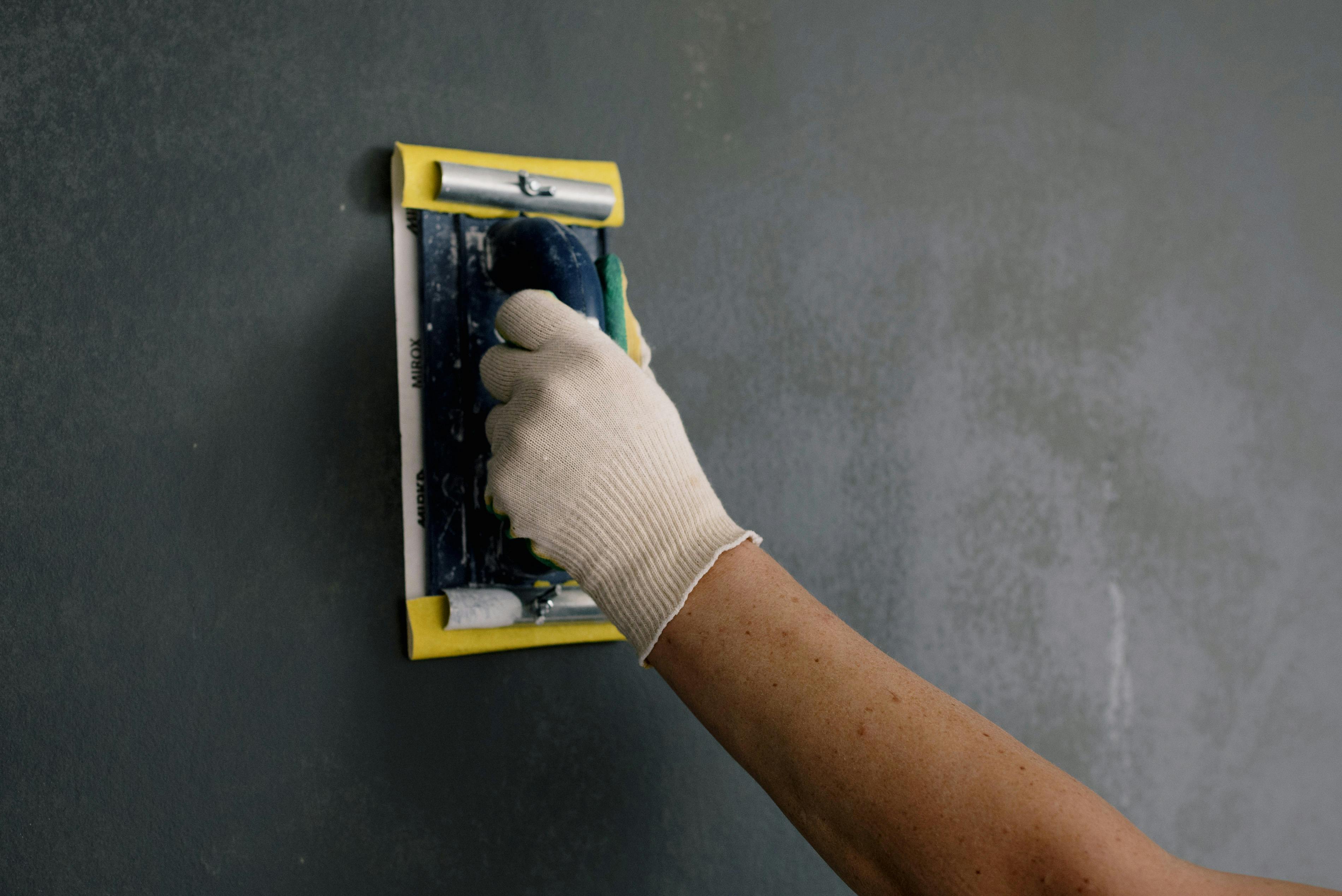
As an office lease approaches its expiry, understanding the office reinstatement cost in Singapore becomes an important consideration for commercial tenants. Reinstatement is a contractual obligation that requires tenants to return the unit to its original handover condition in accordance with the landlord’s specifications before the lease ends. This process typically includes dismantling office interiors, removing partitions, restoring ceilings and flooring to their original state, and carrying out final repainting works. In general, reinstatement expenses for offices in Singapore range from SGD 10 to SGD 30+ per square foot, depending on several key factors. These include the complexity of the scope of work, the unit’s location, project timelines, and material disposal requirements. Without careful planning, overall costs can increase quickly and may affect the handover schedule. In this article, we outline current pricing estimates, the main factors influencing commercial reinstatement pricing, and practical guidance to help tenants manage their reinstatement budgets more effectively.
What Affects Office Reinstatement Cost in Singapore?
Office reinstatement expenses can vary significantly depending on several key factors. Understanding what affects commercial office reinstatement costs in Singapore helps tenants plan their budgets more accurately and make informed decisions when managing reinstatement obligations at the end of a lease. By being aware of the factors that drive reinstatement expenses, businesses can avoid unexpected cost escalation and ensure the reinstatement process is carried out efficiently and within budget.
How Office Size Impacts Reinstatement Pricing
The size of an office unit has a direct impact on office reinstatement expenses. Larger spaces generally result in higher reinstatement costs in Singapore, as more work is required for dismantling office interiors, removing walls and partitions, carrying out repainting works, and handling material disposal. In practice, contractors usually calculate reinstatement pricing on a per square foot basis to provide accurate cost estimates. For this reason, knowing your unit’s exact size is essential when requesting quotations and managing your overall reinstatement budget.
How Interior Materials Influence Reinstatement Cost
The use of non-standard interior elements such as glass partitions, custom lighting systems, or specialized flooring can have a direct impact on office reinstatement expenses. These types of installations typically require more complex dismantling methods, additional manpower, and specialized equipment, which increases overall commercial reinstatement costs in Singapore and influences the final reinstatement budget estimate. In contrast, offices fitted with simpler finishes—such as standard drywall partitions and modular carpet tiles—are faster and easier to remove or restore. This allows tenants to better control reinstatement costs on a per square foot basis and keep total reinstatement expenses more manageable toward the end of the lease term.
Office vs Industrial Units: Reinstatement Cost Differences
Reinstatement requirements can vary depending on the type of property. High-rise office buildings, especially those located in areas such as Raffles Place or Marina Bay, typically impose stricter building management regulations and limited working hours. These restrictions increase the complexity of reinstatement works and have a direct impact on the overall office reinstatement cost. In addition, limited working hours and building regulations often affect the final office reinstatement cost estimate that tenants need to prepare. In contrast, industrial properties or B1/B2 commercial buildings generally offer greater flexibility. This allows reinstatement works to be carried out more efficiently, helping to control office reinstatement costs and ensuring a smoother handover process at the end of the lease.
Why Project Timeline Can Increase Reinstatement Expenses
In Singapore, the project timeline has a significant impact on office reinstatement expenses. Tight deadlines often result in higher reinstatement costs, as contractors may need to deploy additional manpower or carry out overtime works, including night shifts. This situation commonly arises when reinstatement works must be completed within a limited timeframe toward the end of a lease, particularly in office buildings that only allow access outside normal operating hours. For this reason, early planning is essential to control commercial reinstatement expenses and avoid additional charges caused by rushed execution. With a realistic timeline in place, tenants can keep overall reinstatement costs efficient while ensuring a smooth and timely handover of the unit.
Average Office Reinstatement Cost in Singapore (Price Guide)
Understanding the typical cost range can help tenants plan their budgets more effectively and negotiate with greater confidence.
Office Reinstatement Cost per Square Foot in Singapore
In Singapore, reinstatement pricing is commonly calculated on a per square foot basis. Typical cost ranges include:
- SGD 10–20 per square foot for standard reinstatement works, such as dismantling partitions, repainting, and basic cleaning.
- SGD 20–30 per square foot or higher for moderately complex projects that involve minor mechanical and electrical (M&E) works.
- Above SGD 30 per square foot for large-scale or highly complex reinstatement projects, particularly those involving extensive mechanical and electrical systems.
These figures serve as general benchmarks only. Actual costs may vary depending on site conditions, scope of work, and building requirements. Tenants are advised to confirm final pricing with a professional reinstatement contractor following a site inspection
Estimated Reinstatement Cost by Office Size
To give you a clearer picture, here’s a breakdown by office size:
| Unit Size | Estimated Reinstatement Cost (SGD) |
|---|---|
| 500 – 1,000 sqft (Small Office) | SGD 5,000 – 15,000 |
| 1,000 – 3,000 sqft (Medium Office) | SGD 15,000 – 50,000 |
| 3,000+ sqft (Large Office) | SGD 50,000 – 100,000+ |
Complex layouts or custom renovations may push these numbers higher. That’s why getting a tailored reinstatement quotation Singapore professionals can provide is key to staying within budget.
Additional Costs Tenants Often Overlook
In addition to the cost per square foot, the total office reinstatement cost may also be affected by:
- Dismantling and disposal of materials (labour and disposal costs)
- Work carried out outside normal operating hours (such as night or weekend works)
- Building management certifications and inspections, where required
- GST and other additional charges related to landlord requirements
You may also refer to our related articles for further insight Office Reinstatement Cost Singapore: Price Breakdown & Tips
How to Get an Accurate Office Reinstatement Quotation
Getting an accurate reinstatement quote requires preparation and communication
What Information Contractors Need for Cost Estimation
Before contacting a reinstatement contractor, prepare:
- A clear floor plan of your unit
- Photos or videos showing the current layout and fixtures
- Your tenancy agreement, especially clauses about reinstatement
- A list of renovation works done during your lease
Having this information ready ensures your quotation is fast and accurate
What Contractors Assess During a Site Survey
When doing a site survey, most contractors will:
- Check ceiling condition and if lighting must be replaced
- Measure and assess partition walls, flooring, and doors
- Examine plumbing, aircon, and electrical systems
- Identify disposal challenges for bulky items
- Review building management rules and working hour limits
Based on this, they’ll issue a quotation that covers manpower, materials, transportation, and removal services.
You may also refer to our reletad articles for further insight Reinstatement Services Singapore: What’s Included
How to Reduce Office Reinstatement Cost in Singapore
- Start early: Don’t wait until the last two weeks of your lease to begin. You’ll have more time to compare prices and avoid premium rush charges.
- Bundle services: If you also need moving or storage, choose a contractor who offers bundled services to save costs.
- Negotiate with your landlord: In some cases, minor reinstatement may be waived if the next tenant accepts the current setup.
You may also refer to our related articles for further insights Reinstatement Cost Quotation Singapore: Tips to Get the Best Deal
Conclusion
Understanding the reinstatement cost Singapore tenants face can help you prepare financially and logistically for the end of your lease. From unit size to materials used and property type, each factor plays a role in the final quote. By planning ahead and working with an experienced contractor, you can avoid unnecessary costs and ensure a smooth transition. If you’re looking for a reliable, affordable, and hassle-free reinstatement partner, ZoroInterior is here to help. Our team has years of experience handling office reinstatement projects across Singapore — from small units to large corporate spaces.
FAQ
Q1 : What is office reinstatement cost in Singapore?
A1: Office reinstatement cost in Singapore refers to the total cost required to restore a commercial unit to its original condition before handing it back to the landlord. This usually includes dismantling partitions, reinstating ceilings and flooring, repainting, and removing built-in fixtures according to the tenancy agreement.
Q2: Is office reinstatement mandatory for commercial tenants in Singapore?
A2: Yes. For most commercial leases in Singapore, office reinstatement is mandatory. Landlords typically require tenants to return the unit in its original bare condition before a new tenant moves in, unless otherwise stated in the tenancy agreement.
Q3: How much does office reinstatement cost in Singapore?
A3: Office reinstatement cost varies depending on unit size, materials used, property type, and timeline. As a general estimate:
- SGD 10–20 per sqft for basic reinstatement
- SGD 20–30 per sqft for moderate reinstatement
- SGD 30+ per sqft for premium or complex office layouts
A site inspection is always required for an accurate quotation
Q4: What factors affect office reinstatement cost the most?
A4: The main factors that influence office reinstatement cost include:
- Size of the unit (square footage)
- Type of materials (glass partitions, custom lighting, special flooring)
- Property type (CBD office, industrial, B1/B2 units)
- Timeline and lease-end deadline
- Building management rules and working hour restrictions
Q5: Why do glass partitions and custom materials increase reinstatement cost?
A5: Non-standard materials such as glass partitions, custom lighting fixtures, or special flooring require additional manpower, specialised tools, and careful dismantling. This increases labour time and disposal costs compared to standard drywall and carpet tiles, which are quicker and cheaper to remove.