
Retail Renovation Singapore: Complete Guide for Shop Owners
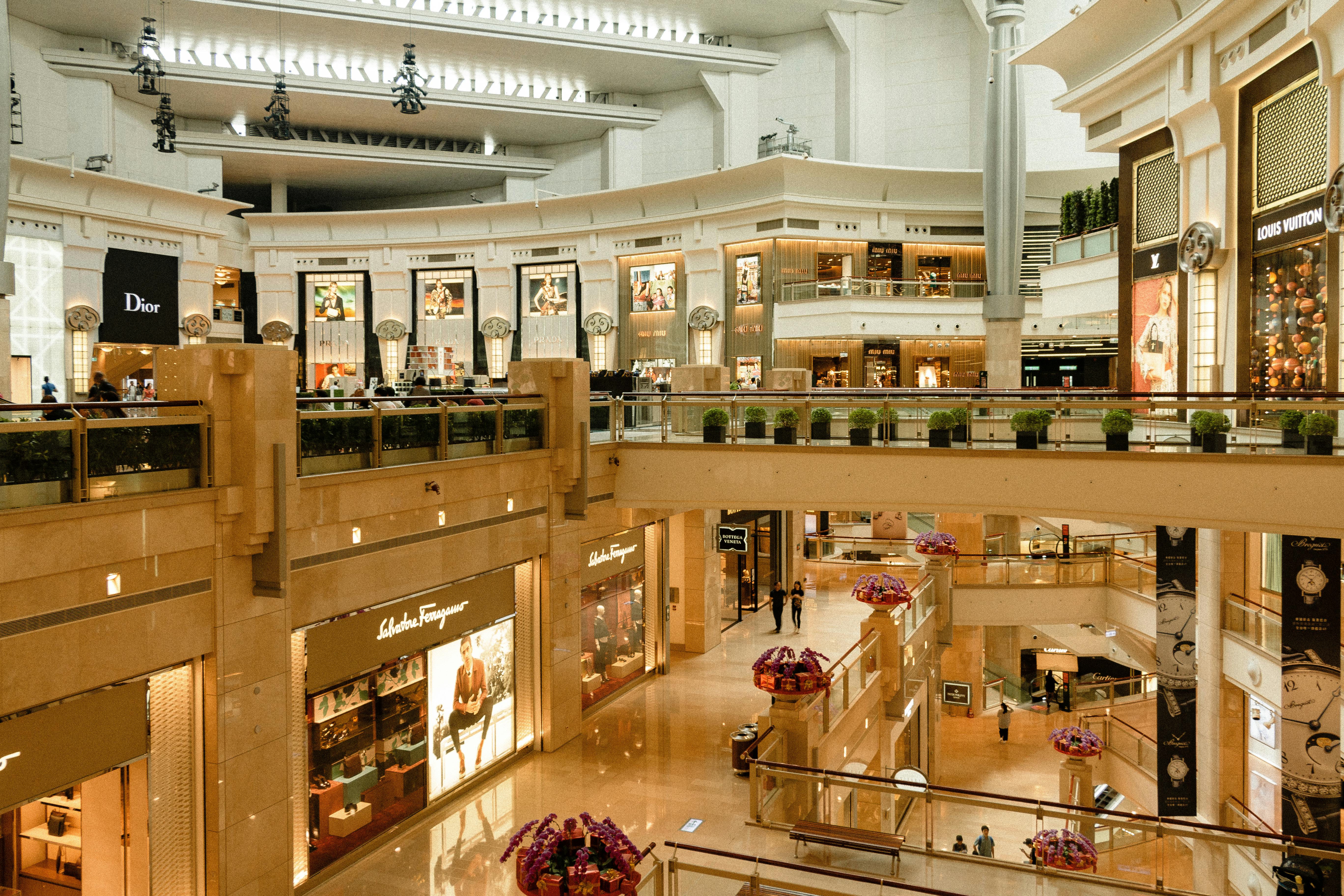
Amid the increasingly competitive retail landscape in Singapore, a store’s appearance and functionality have become key differentiators between attracting customers and losing potential sales. Retail renovation in Singapore often presents significant challenges for shop owners, particularly due to strict permit requirements, varying building and mall standards, and the need to work with experienced retail renovation contractors.
Risks such as additional costs, project delays, and even rejection of renovation approvals frequently arise during the shop renovation process. Without proper planning and a clear understanding of local regulations, a retail renovation project can quickly turn into a costly and time-consuming undertaking.
Therefore, shop owners need to understand the stages, costs, and strategies involved in retail renovation in Singapore to ensure that store designs are not only visually appealing but also enhance customer comfort and support smooth business operations. Through this article, Zoro Interior will outline the key aspects you need to know before starting a retail renovation and shop fit-out in Singapore, helping you achieve optimal renovation results and ensure your business runs smoothly.
What Is Retail Renovation in Singapore?
Definition of Retail Renovation
Retail renovation is the process of improving, upgrading, or reorganizing a retail space (shop) to enhance its appearance, functionality, and overall comfort in line with business needs. In Singapore, retail renovation may include interior design modifications, layout reconfiguration, lighting upgrades, electrical and M&E installations, as well as finishing works such as flooring, walls, and ceiling improvements to ensure the store looks more professional and operates efficiently. In Singapore, retail shop renovation is not solely focused on aesthetics but must also comply with building requirements, landlord or mall management policies, and various applicable regulations, including safety standards, permit approvals, and other technical requirements. Therefore, working with an experienced retail renovation contractor in Singapore is essential to ensure the entire renovation process runs smoothly and remains fully compliant with local regulations.
Types of Retail Spaces That Require Renovation
- Retail Shops Inside Shopping Malls
Retail spaces located within shopping malls often require renovation to comply with design standards, fit-out guidelines, and technical requirements set by mall management. Renovation is commonly carried out during new store openings, tenant changes, rebranding, or lease renewals. In addition to aesthetics, mall retail renovations must adhere to safety regulations, M&E systems requirements, and strict working schedules. - Shophouses
Retail spaces in shophouses typically require renovation due to older building conditions or the need for functional space adjustments. Retail renovation for shophouses may include interior structural improvements, layout reconfiguration, lighting and ventilation upgrades, as well as enhancements to electrical and security systems. These projects often require more detailed planning to ensure compliance with building regulations in Singapore. - Standalone Retail Units
Standalone retail units, such as showrooms or convenience stores, require renovation to enhance visual appeal and improve operational efficiency. While this type of renovation offers greater design flexibility, it must still comply with safety requirements, work permits, and applicable technical standards. Renovation of standalone retail units is also commonly undertaken to enhance customer experience and strengthen brand identity. - Food & Beverage (F&B) Outlets
F&B retail spaces require specialized renovation due to the inclusion of kitchens, exhaust systems, plumbing, and stricter hygiene and safety standards. Renovation of restaurants, cafés, and food outlets must comply with health regulations, fire safety requirements, and building management guidelines, making it essential to work with a retail renovation contractor experienced in the F&B sector. - Beauty & Service Retail (Salons, Clinics, Spas)
his type of retail requires renovation that prioritizes comfort, privacy, and an atmosphere aligned with the services offered. Renovation typically includes space zoning, appropriate lighting, and M&E installations to support specialized equipment. Beauty and healthcare-related retail renovations must also comply with specific safety and operational standards. - Retail Stores Undergoing Rebranding or Concept Changes
Retail stores undergoing business concept changes or rebranding require renovation to align the physical store with the new brand identity. These renovations aim to improve customer experience and maintain competitiveness in Singapore’s dynamic retail market. - Retail Spaces with Outdated Physical Conditions
Retail spaces with aging interiors, inefficient layouts, or outdated technical systems require renovation. Renovation helps improve functionality, enhance safety, and provide a more modern and attractive store appearance to better engage customers.
When Do Shop Owners Need Retail Renovation in Singapore?
- Opening a New Store
Renovation is needed to align the store with the brand concept, target market, and operational requirements, including interior design, layout, lighting, and M&E systems in compliance with building or mall regulations in Singapore. - Pre-Opening / Fit-Out Stage
Renovation is required before the grand opening to ensure the store is fully ready for operation, with all fit-out works, permits, and building inspections approved. - Rebranding or Business Concept Changes
Renovation helps update the store’s design, layout, and visual elements to reflect a new brand identity and improve customer experience. - Declining Sales or Foot Traffic
A drop in visitors or sales often signals the need for renovation to enhance visual appeal, improve customer flow, and create a better shopping experience. - Lease Renewal or End of Lease
Landlords or building management may require renovation during lease renewal, and adjustments are often needed before handover or reinstatement at the end of the lease. - Operational Inefficiency
When layouts, lighting, or technical systems no longer support smooth operations, renovation is necessary to improve efficiency and productivity. - Compliance with Regulations and Building Standards
Changes in safety regulations, landlord policies, or technical standards may require renovation to ensure full compliance in Singapore. - Enhancing Customer Experience
Renovation is essential for creating a more comfortable, modern, and engaging shopping environment that boosts customer satisfaction and loyalty.
You may also refer our related articles for futher for insight How to Renovate an F&B Unit in a Shopping Mall in Singapore
Retail Renovation vs Retail Reinstatement
Key Differences Between Renovation and Reinstatement
Renovation and reinstatement are two different terms with distinct purposes. Renovation refers to the process of repairing, upgrading, or modifying a space or building to improve its appearance, functionality, and comfort based on the user’s needs. Renovation is commonly carried out to enhance design, support business operations, or adapt the space to a new concept. In contrast, reinstatement is the process of restoring a space to its original condition in accordance with the terms stated in the lease agreement. In Singapore, reinstatement is a mandatory obligation for tenants at the end of a commercial lease term, before the unit is handed back to the landlord. This process ensures that the premises are returned to their original agreed condition
| Aspect | Renovation | Reinstatement |
|---|---|---|
| Definition | The process of upgrading, improving, or modifying a space to enhance design, functionality, and usability | The process of restoring a leased space to its original condition as stated in the lease agreement |
| Main Objective | To support business needs, branding, and customer experience | To fulfill lease obligations and prepare the unit for handover |
| Focus | Design, aesthetics, functionality, and operational efficiency | Compliance with lease terms and landlord requirements |
| When It Is Required | During business expansion, rebranding, fit-out works, or interior upgrades | At the end of a lease term, relocation, or business closure |
| Scope of Work | Interior design, layout changes, lighting, M&E upgrades, finishes | Demolition of non-original works, M&E reinstatement, repairs |
| End Result | Space ready for business operations | Space ready to be returned to the landlord |
Common Misunderstandings Among Retail Tenants in Singapore
- Renovation Without Landlord Approval
Many retail tenants assume that renovation can be carried out without prior approval. In Singapore, however, almost all retail renovation works require written approval from the landlord or mall management, including design submissions, work methods, and construction schedules. - All Buildings Have the Same Renovation Standards
Each commercial building or shopping mall in Singapore has its own fit-out guidelines and technical standards. Misunderstanding these requirements can lead to permit rejection, rework, and additional costs. - Renovation Permits Can Be Handled Later
Some tenants delay permit applications to speed up the project. However, carrying out works without valid permits may result in stop-work orders, penalties, or delays to the store opening. - Any Contractor Can Handle Retail Renovation
Not all contractors are familiar with Singapore’s retail renovation regulations. Lack of experience with malls or commercial buildings often leads to failed inspections or disputes with building management. - Renovation Costs Only Include Construction Work
Tenants often overlook additional costs such as permit fees, deposits, overtime charges, and building coordination fees, resulting in inaccurate renovation budgets. - Renovation Can Be Done Without Detailed Planning
Without proper planning, renovation projects are prone to delays, sudden design changes, and cost overruns. Early planning is crucial to keeping the project on schedule and within budget
You may also refer our related articles for futher for insight Understanding Shop Reinstatement Singapore: A Tenant’s Guide
Scope of Retail Renovation Works in Singapore
| Scope of Work | Description |
|---|---|
| Site Survey & Technical Assessment | Inspection of the existing shop condition, verification of scope based on the lease agreement, and identification of technical constraints in accordance with mall or landlord guidelines. |
| Demolition Works | Removal of non-structural partitions, existing built-in furniture, additional ceilings or flooring, and disposal of debris in compliance with NEA regulations in Singapore. |
| Civil & Interior Works | Installation of partitions and walls, flooring works (vinyl, tiles, laminate), ceiling works, and wall finishing according to the approved retail design concept. |
| M&E (Mechanical & Electrical) Works | Installation and relocation of electrical wiring, retail lighting, power points, data cabling, air-conditioning systems (AC/FCU), and safety system adjustments in line with building standards. |
| Custom Joinery & Built-in Furniture | Fabrication and installation of cashier counters, display racks, shelving, feature walls, and built-in cabinets that support store functionality and brand identity. |
| Signage & Branding Elements | Installation of internal signage, lightbox logos, window displays, and graphic branding in compliance with mall fit-out guidelines. |
| Permit Handling & Building Management Coordination | Application for renovation permits, coordination of work schedules, loading access, hoarding setup, and support during inspections with building management. |
| Quality Control & Rectification | Quality inspection of completed works and rectification of issues identified during landlord or mall management inspections. |
| Final Cleaning & Handover | Final cleaning of the retail space and handover of works to ensure the shop is ready for operation. |
Retail Renovation Cost in Singapore
| Renovation Category | Estimated Cost per Sq Ft (SGD) | Shop Size (Sq Ft) | Estimated Total Cost (SGD) | General Notes |
|---|---|---|---|---|
| Basic Retail Renovation | 80 – 120 | 200 – 400 | 20,000 – 50,000 | Basic works such as repainting, simple lighting, and light flooring |
| Mid-Range Retail Renovation | 120 – 180 | 400 – 800 | 40,000 – 100,000 | Includes partitions, basic M&E works, and custom display fixtures |
| Premium / Flagship Retail Renovation | 180 – 250+ | 800+ | 80,000 – 150,000+ | Complex design, premium materials, custom joinery, and branding |
Note : The above costs represent the average estimate for retail renovation in Singapore. Actual expenses may vary depending on the mall or building location, material quality, complexity of the works, and landlord requirements. Permit and approval fees are not included, so it is recommended to set aside a contingency of around 10–15% of the total budget.
Retail Renovation Approval and Compliance Requirements
In Singapore, retail renovation cannot proceed without meeting certain requirements. Understanding and complying with the regulations and guidelines related to retail renovation is essential before starting any project. The following are the key requirements and compliance aspects to consider :
Renovation Permit & Approval
- Renovation Permit / Submission
Submit renovation documents to building management or landlord, including layout plans, scope of work, and materials used. - BCA Compliance
Ensure all renovation works comply with Building & Construction Authority (BCA) codes and regulations. - Mall / Landlord Guidelines
Follow mall fit-out guidelines covering working hours, noise limits, hoarding setup, approved materials, and approval procedures.
Safety & Regulatory Compliance
- Fire Safety & SCDF Approval
Fire protection systems, emergency exits, and alarm systems must comply with SCDF standards. - NEA / Environmental Compliance
Disposal of debris, paint waste, and construction materials must follow NEA environmental regulations. - Electrical & M&E Compliance
Electrical wiring, lighting, AC/FCU systems, and data installations must meet technical and safety codes.
Design & Technical Compliance
- Structural Safety
Any changes to walls, partitions, or ceilings must not compromise the building’s structural integrity. - Accessibility Compliance
Shop access must meet accessibility standards, including proper entrances, ramps, and layout for persons with disabilities. - Signage & Branding Approval
All internal and external signage must receive approval from the landlord or mall management before installation.
Project Management & Documentation
- Project Timeline Approval
Renovation must follow the approved schedule, including after-hours work if required. - Insurance & Liability
Contractors must carry valid liability insurance to cover potential accidents or damages. - Handover Documentation
Upon completion, submit as-built drawings, warranties, and a certificate of completion to the landlord.
You may also refer our related articles for futher for insight Retail Renovation Contractor Singapore: From Design to Delivery
Retail Renovation Timeline
Retail renovations in Singapore vary in duration, depending on the size of the store and the scale of the work involved. Generally, the renovation process takes between 12 to 32 weeks. The work is divided into several key phases that store owners and management need to understand, as each stage plays a crucial role in ensuring the final outcome meets the required standards. Below, I will explain each phase along with the factors that can influence its timeline.
| Renovation Phase | Duration | Key Activities | Factors Affecting Duration |
|---|---|---|---|
| Planning & Design | 2–6 weeks | Owner brief, store design & layout, material & finishing selection | Design complexity, internal approvals, design revisions |
| Permits & Approvals | 3–8 weeks | Submit renovation permit, BCA compliance, mall approval | Mall/landlord response, M&E or structural changes |
| Tender & Contractor Selection | 2–4 weeks | Request quotations, evaluate cost & timeline, sign contract | Contractor experience, evaluation speed |
| Construction / Renovation | 4–12 weeks | Demolition, M&E works, fit-out, fixtures & display installation | Store size, design complexity, material & labor availability, mall working hours |
| Inspection & Handover | 1–2 weeks | Final inspection, minor corrections, official handover | Number of punch list items, completeness of compliance documents |
The estimated duration of retail renovations in Singapore varies depending on the size and complexity of the project.
- Simple projects (e.g., store refresh of 50–100 m²) typically take around 12–16 weeks.
- Complex or flagship store projects (e.g., over 200 m² or involving structural changes) usually take around 24–32 weeks.
How to Choose a Retail Renovation Contractor in Singapore
Choosing a contractor for retail renovations in Singapore requires careful attention, as retail projects often involve mall guidelines, permits, and coordination of multiple technical trades. Key factors to consider when selecting a retail renovation contractor in Singapore include experience and official certifications, understanding of mall guidelines and local regulations, the ability to manage multiple trades simultaneously, cost transparency and realistic timelines, reviews or track record of previous projects, and post-project support such as warranties and assistance with punch list corrections. Based on the experience of Zoro Interior, which has handled numerous retail projects across Singapore, selecting a competent and trustworthy contractor ensures that renovations run smoothly, meet standards, and are completed on time, while minimizing the risk of delays or compliance issues
You may also refer our related articles for futher for insight How to Choose Retail Renovation Contractor in Singapore
Conclusion
Retail renovation in Singapore is a critical investment for shop owners who want to enhance customer experience, strengthen brand identity, and improve operational efficiency. From understanding the different types of retail spaces, navigating permit and compliance requirements, to managing costs and timelines, each stage of renovation plays a key role in ensuring a successful outcome. Without proper planning and the guidance of an experienced contractor, projects can face delays, additional costs, or even permit rejections. Choosing the right contractor is therefore essential. With Zoro Interior’s extensive experience in retail renovations across Singapore, shop owners can be confident that their projects will be handled professionally, complying with all mall guidelines and building regulations, while delivering aesthetically appealing and functional retail spaces.
Ready to transform your retail space? Contact Zoro Interior today and let our expert team handle your retail renovation from planning to handover, ensuring a smooth, timely, and stress-free project that elevates your store and attracts more customers.
FAQ – Retail Renovation Singapore
What is retail renovation in Singapore and why is it important?
Retail renovation in Singapore refers to upgrading or modifying a shop’s interior, layout, and systems to improve functionality, branding, and customer experience. It is important because a well-designed store can increase foot traffic, boost sales, and ensure compliance with local regulations and mall guidelines.
How much does retail renovation cost in Singapore?
Retail renovation costs in Singapore typically range from SGD 80 to SGD 250+ per square foot, depending on design complexity, materials, and scope of work. Additional costs such as permits, deposits, and coordination fees should also be considered.
How long does a retail renovation project take in Singapore?
A retail renovation project in Singapore usually takes between 12 to 32 weeks. The timeline includes planning, design, permit approvals, construction, and final handover, depending on the size and complexity of the project.
Do I need approval before starting a retail renovation in Singapore?
Yes, all retail renovation projects in Singapore require approval from the landlord or mall management. You must submit design plans, materials, and work schedules before any construction begins to avoid penalties or project delays.
What is the difference between retail renovation and retail reinstatement?
Retail renovation focuses on improving or upgrading a shop to support business operations, while retail reinstatement involves restoring the unit to its original condition at the end of a lease, as required by the landlord.
What are the common mistakes in retail renovation Singapore?
Common mistakes include starting work without approval, underestimating costs, hiring inexperienced contractors, ignoring mall guidelines, and lacking proper planning. These issues can lead to delays, penalties, and increased expenses.
How do I choose the right retail renovation contractor in Singapore?
Choose a contractor with proven experience in retail renovation Singapore, strong knowledge of mall regulations, transparent pricing, and a solid project portfolio. A reliable contractor should also handle permits and coordinate with building management
What works are included in a retail renovation project?
Choose a contractor with proven experience in retail renovation Singapore, strong knowledge of mall regulations, transparent pricing, and a solid project portfolio. A reliable contractor should also handle permits and coordinate with building management
Your F&B Renovation Contractor:
- Quality workmanship without breaking the bank.
- Quick and hassle-free F&B renovation so you can focus on the important things while we work.
- Professional and personalised solutions for all your F&B renovation needs.
- Complete transparency from start to end - no hidden costs, no gimmicks.