
Cafe Renovation Singapore: Complete Guide to Design, Cost & Compliance
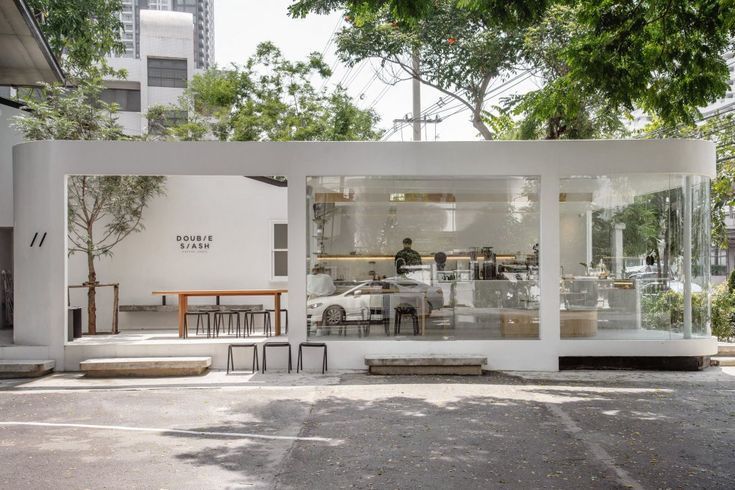
Renovating a café in Singapore requires more than a visually appealing interior. A successful cafe renovation Singapore project must balance brand identity, operational efficiency, and strict regulatory compliance. From fire safety and exhaust planning to hygiene zoning and mall submissions, every detail plays a critical role in determining whether a café can open on time without unnecessary delays. This guide provides a comprehensive overview of café renovation in Singapore, based on real-world experience handling F&B renovation projects across shopping malls, commercial buildings, and standalone outlets.
Importance of Compliance in Café Renovation
Singapore enforces strict regulations for all food and beverage outlets. Unlike standard retail renovations, cafés must comply with multiple authorities simultaneously, including:
Singapore Civil Defence Force (SCDF) for fire safety
Singapore Food Agency (SFA) for hygiene and food safety
Mall or landlord management for technical and operational guidelines
Failure to meet any of these requirements can result in rejected submissions, delayed inspections, or additional renovation costs. For this reason, compliance should be addressed from the earliest planning stage of any F&B renovation Singapore project.
SCDF Fire Safety Requirements for Café Renovation
Fire safety approval is a critical component of café renovation in Singapore, particularly for outlets that involve cooking equipment, heat-generating appliances, or exhaust systems.
Key SCDF requirements typically include:
A Fire Safety Plan (FSP) prepared by a Qualified Person (QP)
Fire-rated walls, ceilings, and doors
Clear and unobstructed escape routes
Fire-rated kitchen exhaust ducting
Proper positioning of high-risk equipment
In many small cafe renovation Singapore projects, non-compliance occurs due to incorrect exhaust specifications or the use of non-fire-rated materials. These issues often lead to re-submissions and extended approval timelines.
You may also refer to our related articles for further insights Top F&B Renovation Mistakes in Singapore (And How to Avoid Costly Delays)
Exhaust and Ventilation Regulations in Singapore Cafés
Exhaust and ventilation planning is one of the most underestimated aspects of cafe renovation Singapore. Even cafés with limited food preparation are subject to mall-specific and authority-mandated exhaust requirements.
Depending on the location and concept, cafés may be required to install:
Fire-rated exhaust ducting
Electrostatic Precipitators (ESP)
Grease and odour filtration systems
Dedicated exhaust routes approved by mall engineers
Improper exhaust planning can result in uncomfortable indoor conditions, odour complaints, and inspection failures. As such, exhaust design should be integrated early in the layout planning process.
You may also refer to our related articles for further insights 5 Things to Know: Restaurant Renovation Cost in Singapore
Common Mistakes in Cafe Renovation Singapore
Inefficient Space Planning
Poor layout design can negatively impact daily operations. Common issues include:
Congested barista work areas
Insufficient storage
Inefficient customer flow
Effective cafe design Singapore should enhance workflow efficiency while maintaining customer comfort and regulatory clearance.
Use of Non-Compliant Materials
Aesthetic considerations should never override compliance. Materials used in F&B renovation Singapore must be:
Fire-resistant
Anti-slip
Moisture-resistant
Easy to maintain
Using unsuitable materials often leads to replacement costs or failed inspections.
Underestimating Exhaust and Grease Trap Requirements
Many café owners assume minimal exhaust is sufficient. In practice, mall management often enforces minimum standards regardless of café size. Insufficient planning frequently results in redesigns and approval delays.
Incomplete Mall Submissions
Each mall has its own renovation guidelines, submission formats, and working hour restrictions. Missing or inaccurate documents can delay approvals for weeks.
Appointing Contractors Without F&B Experience
General renovation contractors may lack experience with:
SCDF fire code requirements
SFA hygiene zoning
Exhaust and MEP coordination
Engaging a specialist with proven experience in cafe renovation Singapore significantly reduces these risks.
You may also refer to our related articles for further insights Cafe Renovation Guide 2025 : 5 Common Mistakes You Need To Avoid
Zoro Interior’s Approach to Cafe Renovation Singapore
Zoro Interior adopts a structured design-and-build approach that prioritises compliance, efficiency, and long-term operational performance.
Standard Renovation Process
Site survey and feasibility assessment
Layout planning and workflow optimisation
MEP, exhaust, and fire safety design
Mall and authority submissions
Renovation works and inspection handover
Managing Authority and Mall Submissions
Zoro Interior prepares comprehensive documentation, including:
Floor plans and elevations
Fire safety access drawings
Exhaust and grease trap layouts
Material and technical specifications
This systematic approach minimises submission rejections and shortens approval timelines.
You may also refer to our related articles for further insights How to Renovate an F&B Unit in a Shopping Mall in Singapore
Case Study: Café Renovation at Sentosa (ZUS Coffee)
One of Zoro Interior’s completed cafe renovation Singapore projects is ZUS Coffee at Sentosa. The project involved strict fire safety and exhaust requirements within a limited floor area.
Zoro Interior delivered:
An efficient barista workflow layout
Fully compliant exhaust and MEP design
Hygienic and durable material selection
Smooth coordination with authorities and mall management
The result was a fully approved café that balances operational efficiency with a strong brand presence.
You may also refer to our related articles for further insights F&B Renovation Case Study: Compact Cafe Design for Zus Coffee Sentosa by Zoro Interior
Cafe Renovation Cost and Timeline in Singapore
While costs vary based on location and concept, café renovation budgets generally include:
Design and consultancy fees
Renovation works (often calculated per square foot)
Exhaust, MEP, and fire safety systems
Authority submission and compliance costs
Typical timelines involve:
Design and planning: 2–4 weeks
Submission and approval: 4–8 weeks
Renovation works: 4–6 weeks
Final inspections and handover: 1–2 weeks
Delays usually occur due to incomplete documentation or non-compliant designs.
You May aslo refer to our related articles for further insights Best Café Renovation Contractor Singapore: Trends & Cost Insights
Conclusion
A successful cafe renovation Singapore project requires careful planning, technical expertise, and a strong understanding of regulatory requirements. From SCDF fire safety and exhaust systems to SFA hygiene standards and mall submissions, every element must be addressed systematically.
With the right expertise, café renovation can be completed efficiently and without unnecessary complications. Zoro Interior supports café owners throughout the entire process—from concept development to final approval—ensuring both compliance and long-term operational success.
FAQ
Q1: What is cafe renovation in Singapore?
A1: Cafe renovation involves redesigning and upgrading a café while ensuring compliance with SCDF, SFA, and mall regulations.
Q2: Do small cafés require exhaust systems?
A2: Yes. Exhaust requirements are determined by mall guidelines and cooking activities, not just café size.
Q3: Who approves café renovations in Singapore?
A3: Approvals typically involve SCDF, SFA, and mall or landlord management.
Q4: How long does café renovation approval take?
A4: With proper planning and complete submissions, approvals can be obtained more efficiently.
Your F&B Renovation Contractor:
- Quality workmanship without breaking the bank.
- Quick and hassle-free F&B renovation so you can focus on the important things while we work.
- Professional and personalised solutions for all your F&B renovation needs.
- Complete transparency from start to end - no hidden costs, no gimmicks.